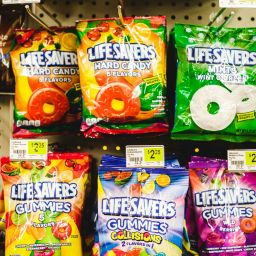
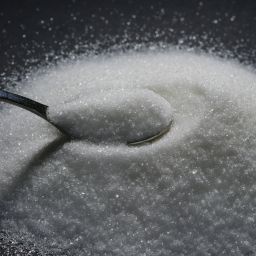
In recent years, the grocery store aisles have experienced a quiet revolution. Where sugar once reigned supreme in everything from cereals to salad dressings, a new wave of products has emerged: the sugar-free alternative. Driven by a rising awareness of the health impacts of excessive sugar consumption, consumers are increasingly seeking ways to satisfy their sweet tooth without the accompanying sugar crash.
Whether you are managing diabetes, pursuing a ketogenic diet, or simply trying to cut back on empty calories, navigating the world of sugar-free products can feel overwhelming. Here is a breakdown of what you need to know about the modern sugar-free landscape.
The Appeal of Going Sugar-Free
The shift toward sugar-free living is fueled by several well-documented health benefits:
Blood Sugar Management: For individuals with diabetes or insulin resistance, sugar-free products allow for dietary flexibility without causing dangerous spikes in blood glucose levels.
Dental Health: Bacteria in the mouth thrive on sugar, producing acids that erode tooth enamel. Sugar-free alternatives significantly reduce the risk of cavities and tooth decay.
Weight Management: Added sugars are dense in calories but low in nutritional value. Swapping them for zero-calorie sweeteners can help create a caloric deficit, aiding in weight loss or maintenance.
Decoding the Sweeteners
“Sugar-free” does not mean flavor-free. Manufacturers rely on a variety of sugar substitutes to replicate the taste and texture of real sugar. These generally fall into three categories:
Artificial Sweeteners: These are synthetic sugar substitutes, such as Aspartame, Sucralose (Splenda), and Saccharin. They are intensely sweet—often hundreds of times sweeter than table sugar—meaning only a tiny amount is needed. They generally contribute zero calories and do not impact blood sugar.
Sugar Alcohols: Commonly found in sugar-free gums, candies, and protein bars, these include Erythritol, Xylitol, and Maltitol. They are carbohydrates that naturally occur in certain fruits and vegetables but are typically manufactured for commercial use. They contain fewer calories than regular sugar and have a minimal impact on blood glucose.
Natural Zero-Calorie Sweeteners: Derived from natural sources, sweeteners like Stevia (from the leaves of the stevia plant) and Monk Fruit extract have surged in popularity. They offer a more “clean label” appeal for consumers looking to avoid synthetic ingredients while still enjoying a zero-calorie, zero-glycemic sweetness.