Strolling down the confectionery aisle or browsing an online sweets shop today looks vastly different than it did a decade ago. The shelves are packed with vibrant alternative treats, all promising a sweeter way to snack without the health drawbacks of traditional sugar.
However, as you flip over a pack of chocolate or a sleeve of biscuits, you are hit with a wave of terminology: Sugar-Free, No Added Sugar, and Reduced Sugar. While they all sound like a step in the right direction, they actually mean very different things for your body and your diet.
Here is a simple, straightforward guide to decoding these labels so you can make the smartest choices for your pantry.
1. Sugar-Free: The Zero-Sugar Standard
When a product is explicitly labeled as Sugar-Free, the rule is strict. By legal food standards, it must contain less than 0.5 grams of sugar per serving. This applies to both naturally occurring sugars and refined sugars.
How it tastes sweet: To give you that classic confectionery flavor, manufacturers replace the sugar with sugar substitutes. These can be intensive artificial sweeteners (like sucralose or aspartame) or naturally derived alternatives like stevia and monk fruit.
Best for: Anyone strictly monitoring their blood glucose levels, including diabetics, as well as those on low-carb or ketogenic diets who need to keep their sugar intake as close to absolute zero as possible.
2. No Added Sugar: Keeping it Natural
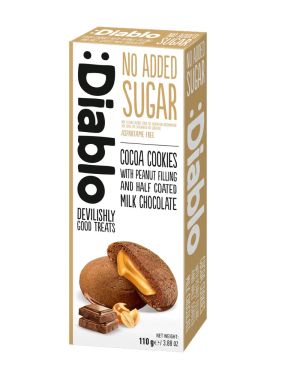
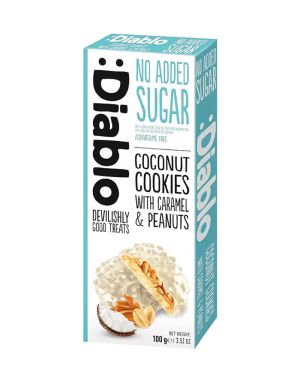
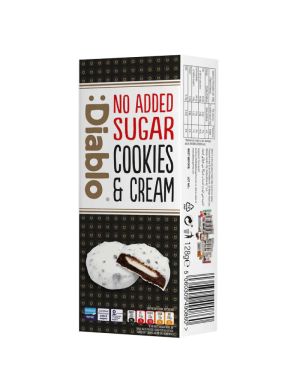
The No Added Sugar label means that no sugar or sugar-containing ingredients were introduced during processing or packaging. However—and this is the crucial part—the product can still contain naturally occurring sugars.
Where the sugar comes from: Think about a premium milk chocolate bar or a fruit-flavored candy. Milk naturally contains lactose, and fruit naturally contains fructose. A “No Added Sugar” milk chocolate bar won’t have standard white table sugar dumped into the mixing vat, but it will still register sugar on the nutritional panel due to the milk solids.
Best for: Mindful snackers who want to eliminate artificial, highly refined processed sugars from their diet while still enjoying the wholesome, natural elements of their food.