What Exactly Is Sugar-Free Made Of?
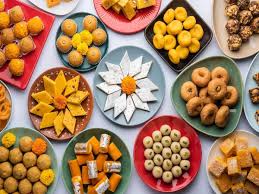
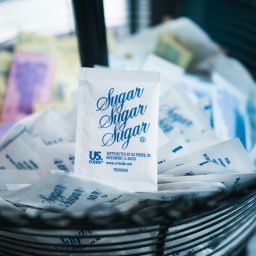
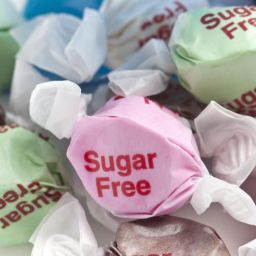
As the name suggests, sugar-free mithai is made without traditional sugar. Instead, it is sweetened with alternative sweeteners that mimic the taste of sugar while containing little to no calories. One of the most commonly used artificial sweeteners is aspartame, which is found in diet sodas and chewing gum. Other popular sugar substitutes include saccharin and sucralose, often used in sugar-free products.
What Did the Expert Reveal?
So, is sugar-free mithai actually good for your health? According to Amita Gadre, consuming it in moderation is fine, but the real problem arises when people overindulge—especially during festive seasons.
She explains, “Eating sugar-free halwa or mithai occasionally won’t necessarily provide any significant health benefits. Whether it’s sugar-free, regular, or made with jaggery, portion control is key.” She also warns against assuming that sugar-free means guilt-free, saying that consuming large quantities—like half a kilogram in a week—can still lead to excessive calorie intake due to the other ingredients present in the sweets.
Sugar-Free vs. No Added Sugar: What’s the Difference?
When shopping for healthier alternatives, you might notice two labels: sugar-free and no added sugar. Though they may seem similar, there’s a key difference.
- Sugar-Free: Contains no natural or added sugars at all.
- No Added Sugar: No extra sugar is added, but the product may still contain naturally occurring sugars from ingredients like fruits or dairy.